


When you're searching for the perfect place to shop for your furry family members, the choices can feel overwhelming. Big box stores line every shopping center, online retailers promise convenience with a click, and local pet stores dot neighborhoods with varying degrees of quality and service. But how do you know which option truly has your pet's best interests at heart?
The truth is, not all pet stores are created equal. Your four-legged friends deserve more than just any old pet store: they deserve a place that understands their unique needs, offers expert guidance, and treats them like the beloved family members they are. Let's explore what separates an exceptional local pet store from the rest of the pack.
The Local Advantage: Why Community Matters
Local pet stores offer something that big box retailers simply can't match: genuine community connection. When you walk into a neighborhood pet shop, you're not just another transaction: you become part of a pet-loving family that understands the joy and responsibility of caring for animals.
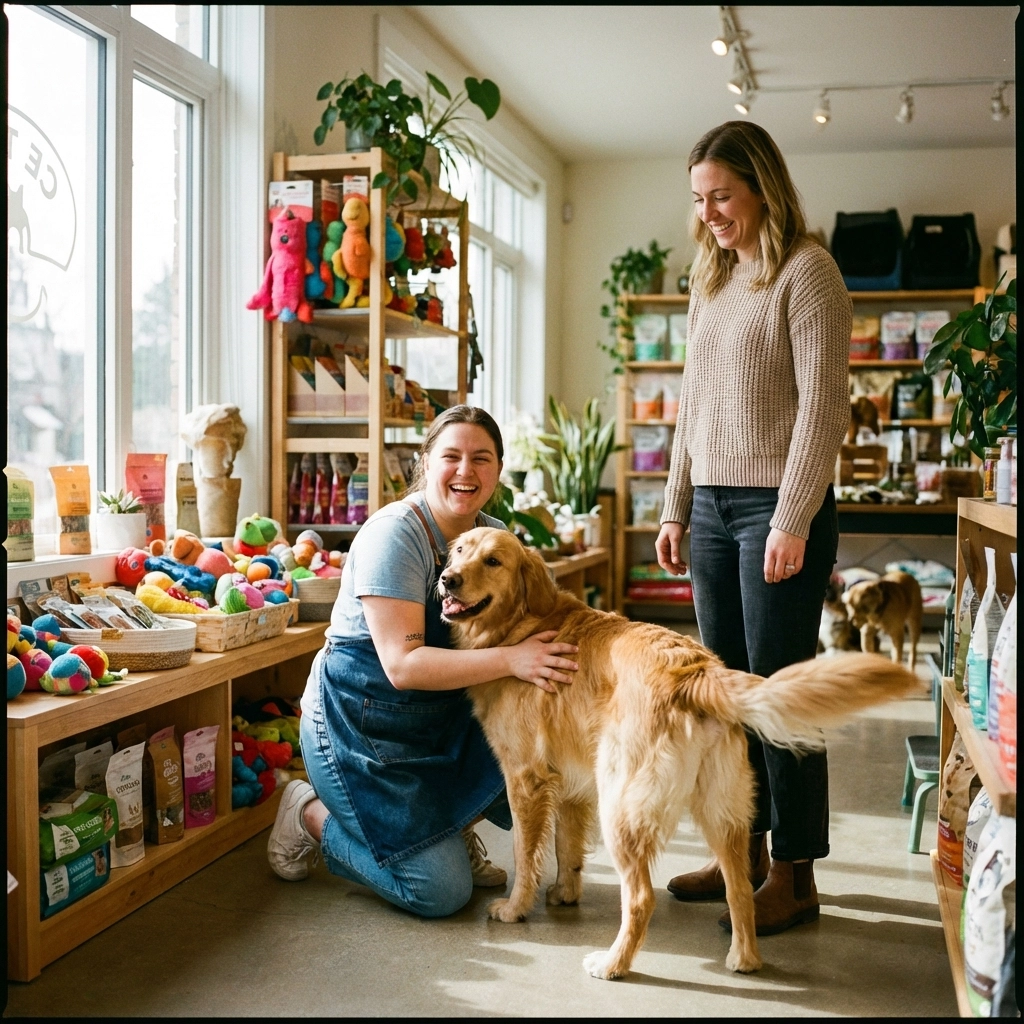
Think about it: the staff at your local store likely live in your area, face the same weather conditions, and understand the specific challenges pet owners encounter in your region. They know which products work best for local conditions, which veterinarians have the best reputations, and which dog parks offer the safest environments for your pups to play.
This local knowledge becomes invaluable when you're dealing with breed-specific needs, seasonal concerns, or emergency situations. A knowledgeable local team can recommend the perfect winter boots for icy sidewalks, suggest the ideal grooming products for your climate, or help you choose appropriate dog clothing for outdoor adventures.
Staff Expertise: The Heart of Great Service
One of the most telling indicators of a quality pet store is the knowledge and passion of its staff. When you walk through those doors, you want to feel confident that the people helping you truly understand pet care, nutrition, and behavior.
Exceptional pet store employees don't just know where products are located: they understand why certain products work better than others. They can explain the difference between grain-free and traditional dog foods, help you select the right harness or leash for your dog's size and walking style, and recommend supplements based on your pet's specific health needs.
The best staff members ask questions about your pet's age, breed, activity level, and any special considerations. They listen carefully to your concerns and offer personalized recommendations rather than pushing the most expensive items. This level of care and attention creates trust: something you'll never experience with an automated online checkout or a disinterested big box employee.
Curated Selection vs. Overwhelming Aisles
While massive chain stores might boast about having "everything under one roof," savvy pet owners know that more isn't always better. A thoughtfully curated selection often serves pets and their families far better than overwhelming aisles of mediocre options.
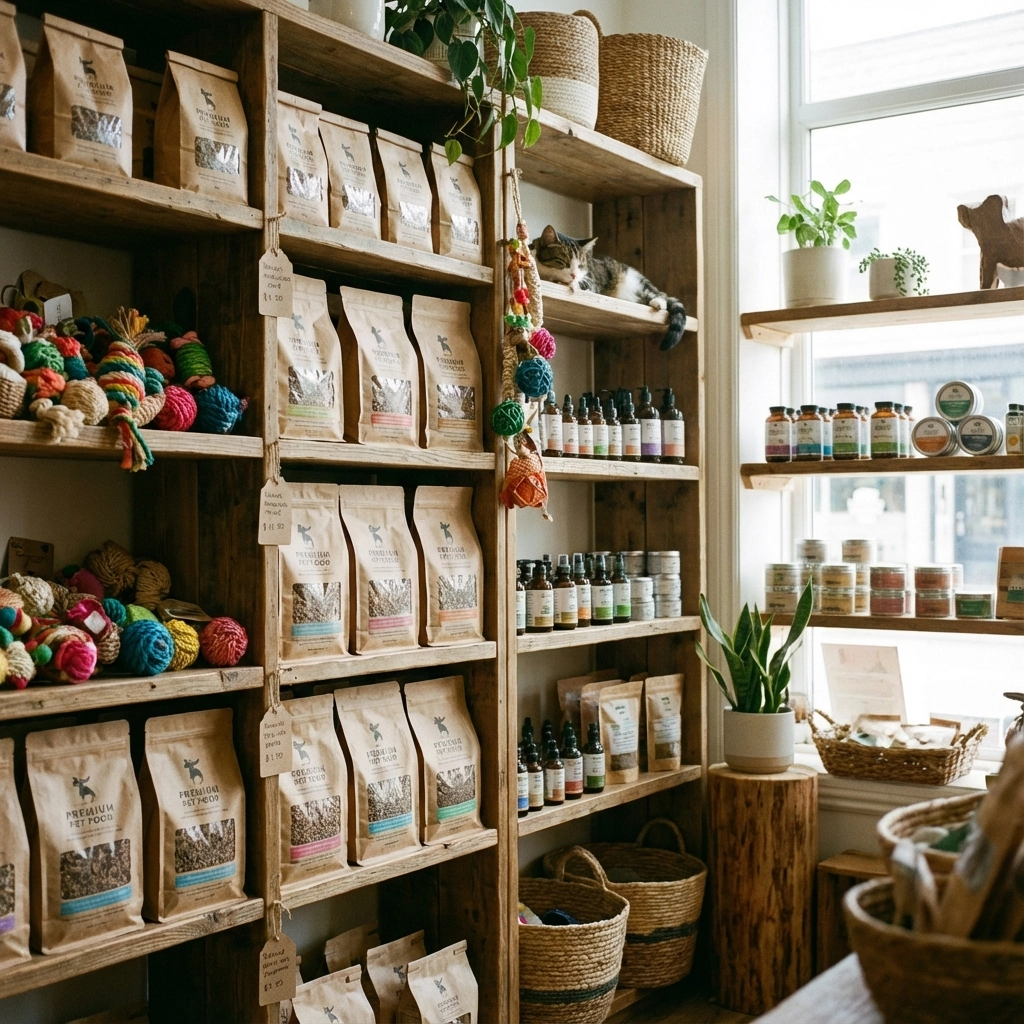
Quality local pet stores carefully select their inventory based on effectiveness, safety, and value. Instead of stocking every available brand, they choose products they personally trust and recommend. This means you're more likely to find premium dog food and cat food options that prioritize nutrition over marketing gimmicks.
When it comes to treats, toys, and accessories, a curated approach means every item has earned its place on the shelf. You won't waste time sifting through low-quality impulse purchases or wondering which of twelve similar products actually works best. The selection process has already been done for you by people who understand pet needs.
The Fresh Food Advantage
One area where local pet stores particularly shine is in offering fresh, refrigerated, and frozen food options. Many neighborhood stores partner with local or regional suppliers to provide fresher alternatives to shelf-stable kibble and canned food.
These fresh food options often contain higher-quality ingredients, better nutritional profiles, and fewer preservatives than mass-produced alternatives. Plus, local stores can maintain proper cold chain storage and rotation practices that ensure your pet receives the freshest possible nutrition.
When evaluating a pet store's food selection, look for refrigerated sections, proper storage practices, and staff who can explain the benefits of different feeding approaches. A store that takes nutrition seriously will have knowledgeable team members who can discuss everything from raw feeding to freeze-dried options.
Services That Go Beyond Shopping
Exceptional local pet stores often provide services that create ongoing relationships with customers. These might include:
Grooming Services: Professional grooming by staff who get to know your pet's personality and specific needs creates a less stressful experience than impersonal chain grooming services.
Nutritional Consultations: Staff who can analyze your pet's current diet and suggest improvements based on age, activity level, and health considerations provide value that goes far beyond simple product sales.
Training Resources: Whether through classes, private consultations, or simply knowledgeable advice, good local stores help address behavioral concerns and training challenges.
Special Ordering: The ability to order specific products or brands that aren't regularly stocked shows a commitment to meeting individual customer needs.
Quality Over Quantity in Product Categories
When browsing different product categories, notice how the store approaches selection and organization. Quality-focused stores will have thoughtfully chosen options in each category rather than overwhelming variety.
For dog toys, look for durable, safe options that promote healthy play rather than cheap trinkets that break immediately. The staff should be able to recommend toys based on your dog's size, play style, and chewing habits.
In the treat department, seek out stores that offer baked dog treats and healthy options rather than just colorful, sugar-laden snacks. Quality treats support training efforts and provide nutritional benefits rather than empty calories.

For travel and transportation needs, a good store will carry appropriately sized pet carriers, backpacks, and crates that prioritize safety and comfort over flashy aesthetics.
Community Involvement and Values
Look for stores that demonstrate genuine commitment to animal welfare through their community involvement. This might include:
- Supporting local animal rescue organizations
- Hosting adoption events or fundraisers
- Providing education about responsible pet ownership
- Participating in community events
- Offering services or discounts for senior citizens or rescue animals
A store that invests in the broader pet community shows that their mission extends beyond profit margins to genuine care for animals and their families.
Red Flags to Avoid
While focusing on positive qualities, it's equally important to recognize warning signs of stores that might not have your pet's best interests at heart:
Pushy Sales Tactics: Avoid stores where staff seem more interested in making expensive sales than understanding your pet's needs.
Poor Animal Care: If the store houses live animals, observe their conditions carefully. Clean habitats, healthy-looking animals, and proper care are non-negotiable.
Expired or Damaged Products: Check dates on food and treats, and notice whether products are properly stored and rotated.
Uninformed Staff: If employees can't answer basic questions about products or seem disinterested in helping, look elsewhere.
Limited Return Policies: Good stores stand behind their products and understand that sometimes items don't work out as expected.
Building Long-Term Relationships
The best local pet stores view customers as long-term relationships rather than one-time transactions. They remember your pet's name, ask about previous purchases, and follow up on how new foods or products are working out.
This relationship-building creates a support system for your pet's entire life. As your puppy grows, ages, or faces health challenges, having knowledgeable professionals who understand your pet's history becomes invaluable.
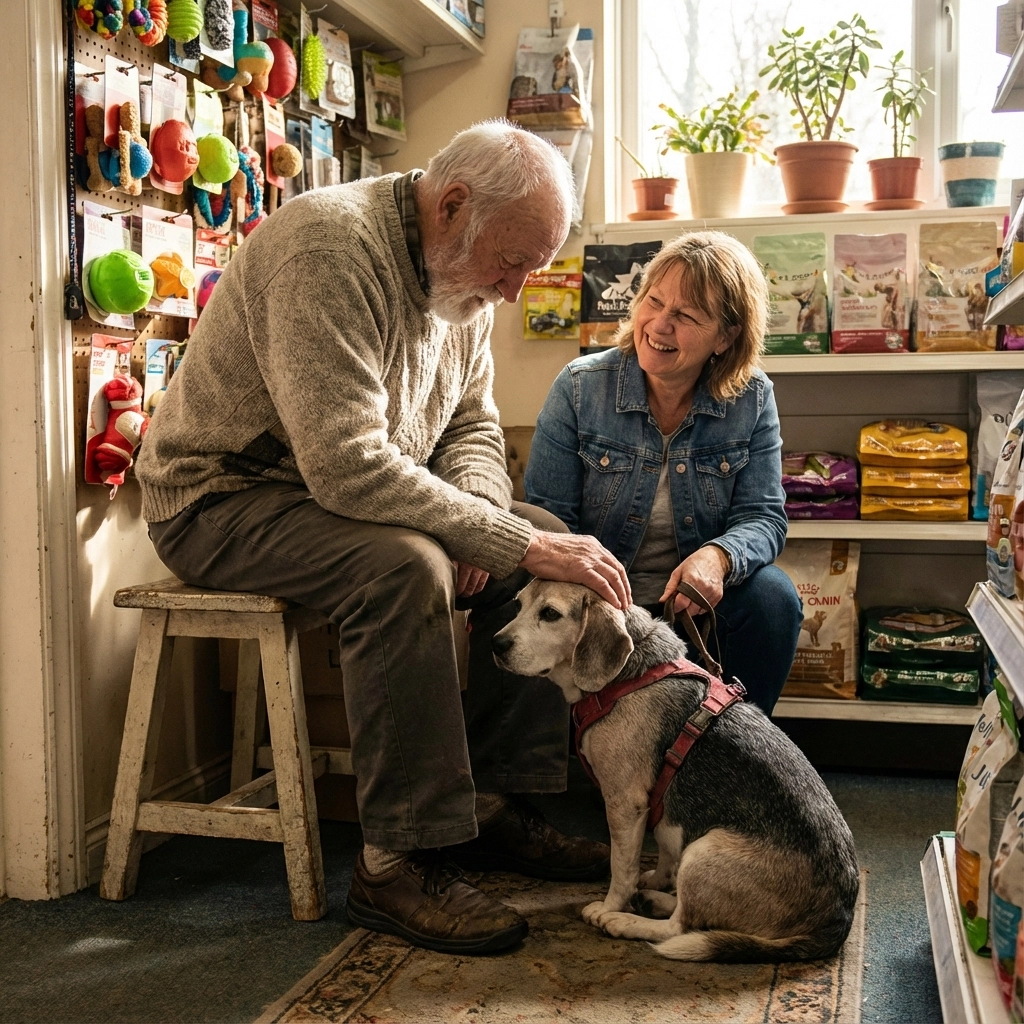
Staff members who know your dog's favorite treats can help during training sessions or stressful vet visits. They can notice changes in your shopping patterns that might indicate health issues and offer appropriate resources or recommendations.
Making Your Decision
When evaluating potential pet stores, trust your instincts as much as your checklist. The right store should feel welcoming, knowledgeable, and genuinely invested in your pet's wellbeing. You should leave feeling confident in your purchases and excited to return.
Don't be afraid to ask questions about product sourcing, staff training, or store policies. A quality establishment will be happy to discuss their approach to pet care and explain why they've chosen specific brands or products.
Remember that the cheapest option isn't always the best value, especially when it comes to nutrition and health-related products. Investing in quality food, safe toys, and effective health products often saves money in the long run by supporting your pet's overall wellbeing.
The relationship between you, your pets, and your chosen pet store can span many years and countless milestones. Choose a store that shares your commitment to giving your furry family members the best possible care, and you'll have found a valuable partner in your pet parenting journey.
Your dogs and cats deserve nothing less than exceptional care, quality nutrition, and products chosen specifically for their health and happiness. When you find a local store that delivers on all these fronts, you've discovered more than just a shopping destination: you've found a community that truly understands the special bond between pets and their people.